How Much Does a Kitchen Renovation Cost in 2026?
If you’re planning a new kitchen, one of the first questions you’ll ask is how much a kitchen renovation costs.
The honest answer is that every project differs. A simple kitchen refresh might cost less than £10,000, while a fully bespoke kitchen renovation with premium materials, integrated appliances and structural alterations could exceed £50,000.
For many homeowners, kitchen renovation costs sit somewhere between £10,000 and £25,000. The final figure depends on the size of the room, the quality of materials, the complexity of the installation and the level of customisation involved.
While online cost guides provide useful benchmarks, they rarely tell the full story. Two kitchens of a similar size may have completely different budgets because the requirements, design choices and installation work vary considerably.
Understanding what influences pricing helps you plan realistically, prioritise your budget and avoid unexpected costs during the project. Whether you are considering a complete redesign or a simple refresh, our kitchen design and installation services will help you understand the options available.
What Is the Average Cost of a Kitchen Renovation?
Kitchen renovation costs vary depending on the scale of work involved.
A smaller renovation often focuses on replacing cabinets, worktops and appliances while keeping the existing layout. These projects generally represent the lower end of the market and suit homeowners looking to improve appearance without making major structural changes.
Mid-range kitchen renovations usually involve new cabinetry, upgraded worktops, improved storage solutions and professional installation. Many homeowners choose this route because it balances aesthetics, functionality and long-term value.
Luxury kitchen renovations often include bespoke cabinetry, luxury worktops, integrated appliances, feature lighting and significant layout alterations. These projects create highly personalised spaces tailored to the way the homeowner lives.
Rather than focusing solely on a headline figure, it is more helpful to consider what you want your new kitchen to achieve.
- Do you need more storage?
- Do you want to improve the flow of the room?
- Would relocating appliances make the space more practical?
- Are you creating an open-plan living area?
The answers to these questions often influence the budget far more than the size of the room itself.

What Factors Affect Kitchen Renovation Costs?
Several elements influence the final cost of a kitchen renovation, although some have a greater impact than others.
Cabinetry and Storage
Cabinetry often represents one of the largest investments within a kitchen project. Standard units provide a practical solution for many homes, while bespoke cabinetry allows designers to maximise awkward spaces, create tailored storage and achieve a more personalised finish.
Storage solutions can also significantly affect the budget. Many homeowners underestimate the value of good storage, yet features such as deep pan drawers, pull-out larders, hidden recycling systems and corner storage solutions can dramatically improve day-to-day functionality. While these additions increase costs, they often provide greater long-term value than purely decorative upgrades.
Worktops and Surface Materials
Worktops have a significant impact on the overall budget and are often one of the most visible design elements within the kitchen.
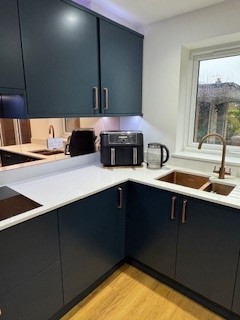
Laminate remains one of the most affordable options available and continues to improve in quality and appearance. Solid wood brings a natural, timeless appeal, while quartz remains one of the most popular choices among Surrey homeowners due to its durability and low maintenance requirements.
Natural stone and porcelain worktops typically sit at the premium end of the market. These materials create a striking visual impact, offer excellent longevity and often become a focal point within the finished kitchen.
Appliances and Technology
Appliances represent another major variable in kitchen renovation costs.
A kitchen fitted with standard appliances will cost considerably less than one featuring integrated refrigeration, specialist cooking equipment, wine storage or smart technology. The number of appliances, their specification and whether they are freestanding or integrated can all influence the final budget.
Layout Changes and Installation Requirements
The layout of the kitchen can have a substantial effect on installation costs.
Retaining existing plumbing and electrical positions usually reduces labour requirements and helps keep costs under control. However, moving sinks, dishwashers, ovens or utility connections introduces additional work and increases project complexity.
Changes to the layout may also require alterations to flooring, lighting and ventilation systems, all of which should be considered during the planning stage.
Structural Alterations and Building Work
Structural alterations create another layer of investment and can significantly increase the scope of a renovation.
Removing walls, widening openings or creating open-plan spaces often requires building work alongside the kitchen installation itself. Depending on the property, structural changes may involve steel supports, additional engineering calculations or building regulation approvals.
While these alterations increase costs, they can completely transform how a kitchen functions and connects with the rest of the home.
The Importance of Planning
Every decision contributes to the final cost, which is why detailed planning remains one of the most important stages of any renovation.
Understanding which elements matter most to your lifestyle allows you to allocate your budget effectively and avoid unnecessary expenses. A well-planned kitchen renovation helps ensure that investment is focused on the features that deliver the greatest long-term value.
What Hidden Costs Should You Expect?
When planning a kitchen renovation, it is important to look beyond the headline costs of cabinets, worktops and appliances. A successful budget should account for every stage of the project, including preparation work, installation and any unexpected issues that may arise once work begins.
Many homeowners focus on the most visible elements of a kitchen, but several less obvious expenses can have a significant impact on the overall cost. Understanding these potential hidden costs early helps you budget more accurately and avoid surprises later in the renovation process.
Common hidden costs include:
- Electrical work, including additional sockets, upgraded wiring or improvements to existing electrical systems.
- Plumbing alterations, such as moving a sink, relocating a dishwasher or changing appliance positions.
- Floor preparation, including repairs to damaged flooring, levelling uneven surfaces or addressing underlying issues discovered after removal of the old kitchen.
- Decoration, including plastering, painting and finishing work to complete the space.
- Waste removal and disposal of old cabinets, worktops, flooring and appliances.
- Structural work, such as removing walls, installing steel supports or altering room layouts.
Which Kitchen Trends Are Influencing Renovation Budgets in 2026?
Looking at recent kitchen projects often provides useful inspiration when deciding which trends suit your home and lifestyle.
Increased Investment in Smart Storage
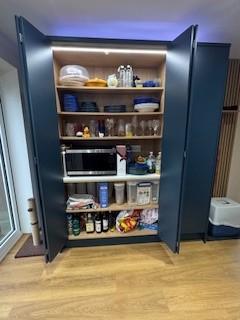
Storage remains one of the biggest areas of investment. Walk-in pantries, appliance garages and hidden storage systems continue to grow in popularity because they help keep kitchens organised and clutter-free.
Many homeowners are choosing bespoke storage solutions that maximise every available inch of space. Features such as pull-out larders, corner storage systems and integrated recycling units improve functionality while maintaining a clean and uncluttered appearance.
Multi-Functional Kitchen Islands
Kitchen islands remain highly desirable, particularly within larger homes. Many islands now serve multiple purposes, acting as preparation spaces, dining areas, workstations and social hubs. Additional storage, seating and integrated appliances often form part of the design.
As open-plan living continues to dominate modern home design, islands increasingly act as the centrepiece of the kitchen, creating a natural gathering point for family and guests.
The Rise of Natural Materials
Natural materials continue to perform strongly. Timber finishes, textured cabinetry and warmer colour palettes have become increasingly popular as homeowners move away from cooler grey schemes.
These materials help create a more welcoming and timeless aesthetic while adding texture and character to the space. Many homeowners view natural finishes as a long-term investment because they tend to remain stylish for years.
Furniture-Inspired Kitchen Design
Furniture-inspired kitchens also remain a major trend. Decorative details, statement lighting and carefully selected materials help kitchens feel connected to the wider home rather than existing as standalone functional spaces.
This approach often includes features such as framed cabinetry, open shelving, display units and decorative hardware, helping kitchens blend seamlessly with adjoining living and dining areas.
Growing Demand for Integrated Appliances
Integrated appliances continue to influence budgets as homeowners seek a cleaner and more streamlined appearance. Concealed refrigeration, built-in extraction and hidden utility areas all contribute to a more seamless design.
Advances in appliance technology have also increased demand for smart ovens, induction hobs and energy-efficient refrigeration systems that combine convenience with improved performance.
How These Trends Affect Renovation Costs
These trends often increase project costs, although they also create kitchens that feel more practical, more attractive and better suited to modern living.
While premium materials, bespoke storage and integrated technology require greater upfront investment, many homeowners consider them worthwhile additions because they enhance both everyday usability and long-term property value.
Where Should You Spend and Save Your Budget?
One of the most important parts of planning a kitchen renovation is knowing where your money will make the biggest difference. Some features improve how your kitchen looks, while others improve how it performs every day.
Where Is It Worth Spending More?
Certain elements affect durability, usability and maintenance. These areas often deliver the strongest return on your investment:
- Cabinetry: Higher-quality cabinets resist wear, keep doors aligned for longer and reduce the likelihood of repairs or replacements.
- Worktops: Durable materials such as quartz and porcelain resist staining, moisture and scratches, making them easier to maintain over time.
- Storage solutions: Pull-out larders, deep drawers and corner storage systems increase usable storage space and reduce clutter on worktops.
- Lighting: Well-planned task lighting improves visibility when preparing food, while feature lighting helps create a more comfortable dining space.
- Professional design and installation: Accurate measurements, efficient layouts and precise fitting help prevent costly mistakes and ensure every inch of space works effectively.
Where Can You Save Money?
Not every part of a kitchen renovation requires a premium budget. Consider these areas if you want to keep costs under control:
- Keep the existing layout: Leaving sinks, ovens and appliances in their current positions often reduces plumbing and electrical costs.
- Mix premium and standard materials: Investing in high-quality worktops while choosing more affordable cabinet finishes often creates a balanced result.
- Focus on practicality over trends: Features that improve storage and usability usually provide more value than decorative upgrades that may date quickly.
- Make decisions early: Finalising designs, materials and specifications before installation begins helps avoid delays, waste and additional labour costs.
- Prioritise long-term use: Spend money on the features you will use every day rather than items that only affect appearance.
Ready to Start Planning Your New Kitchen?
A kitchen renovation is a significant investment, and understanding the factors that influence costs helps you make informed decisions from the start.
Whether you’re planning a simple kitchen refresh or a complete redesign, working with an experienced team helps ensure your budget is spent where it matters most.
If you’re looking for bespoke kitchens in Surrey or need support with kitchen design and installation, our team is here to help. We will guide you through the design process, explain the options available and provide a tailored quotation based on your home, requirements and budget.
Contact our team today to arrange a consultation and start planning your new kitchen.